

New Mexico, United States
13 Special Things to Experience in Albuquerque, America’s Most Underrated City
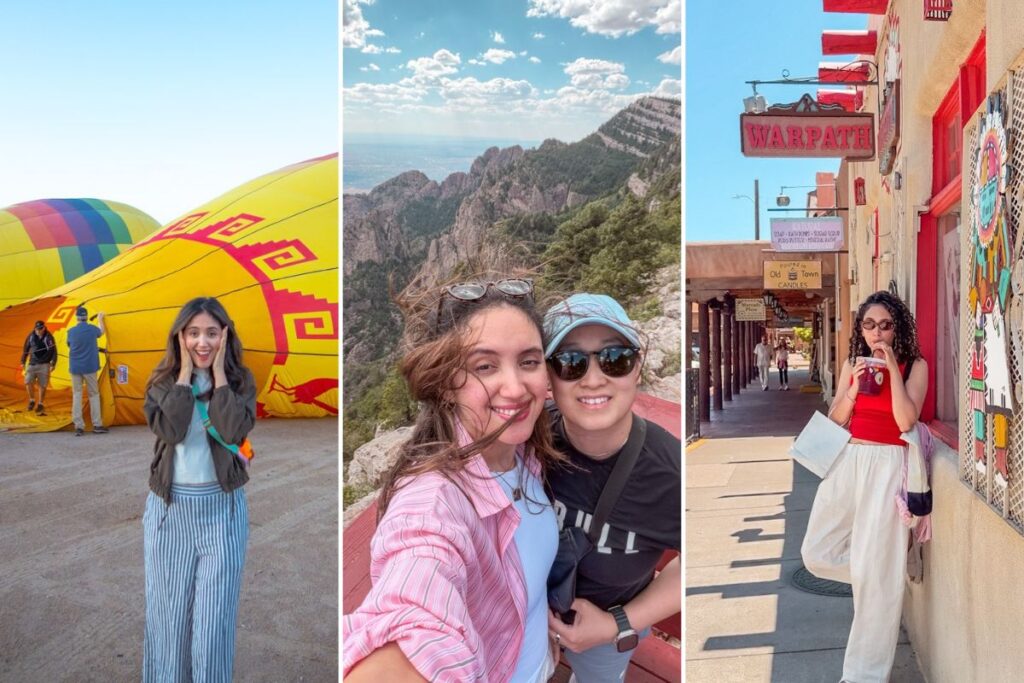
Albuquerque might be America’s most underrated city. And by America, I mean the whole Americas!
Most travelers skip this city, yet few places so vividly embody the complicated convergence of the Western Hemisphere. Albuquerque is a place where ancient and still-thriving Native American communities meet centuries of Spanish and Mexican influence, Chicano culture, and the westward expansion of the United States and Anglo-American culture. These aren’t histories relegated to museums. They’re still alive, overlapping and shaping the city today.
And there’s more. New Mexico played a pivotal role in nuclear history, which we dove into at Albuquerque’s Museum of Nuclear Science, a world-class museum, and one the city’s many incredible museums. We experienced Albuquerque’s deep Spanish cultural influences through flamenco in someone’s living room, part of a much larger and thriving arts scene.
And save your New Mexico road-trip food budget for Albuquerque. Seriously. Some of the best food I had in the entire state was here.
Then there are the outdoor gems. The Rio Grande runs through the city, while the Sandia Mountains rise dramatically from its eastern edge, and you can ride all the way up them. Albuquerque is also the hot-air-balloon capital of the world, where balloons regularly float above the high desert before casually landing in someone’s backyard or behind a Petco parking lot.
After traveling all around New Mexico, Albuquerque ended up being one of my favorite places in the USA. And if I were planning my road trip again, I’d start here, not end here. Its museums, cultural centers and tours provide context that makes traveling through the rest of New Mexico that much richer.
I’d give Albuquerque at least two or three full days.
TL;DR: Do not sleep on Albuquerque.
Here are 13 of the most special experiences I think you should have while you’re here—and why.
Table of Contents
1. Start at the Indian Pueblo Cultural Center
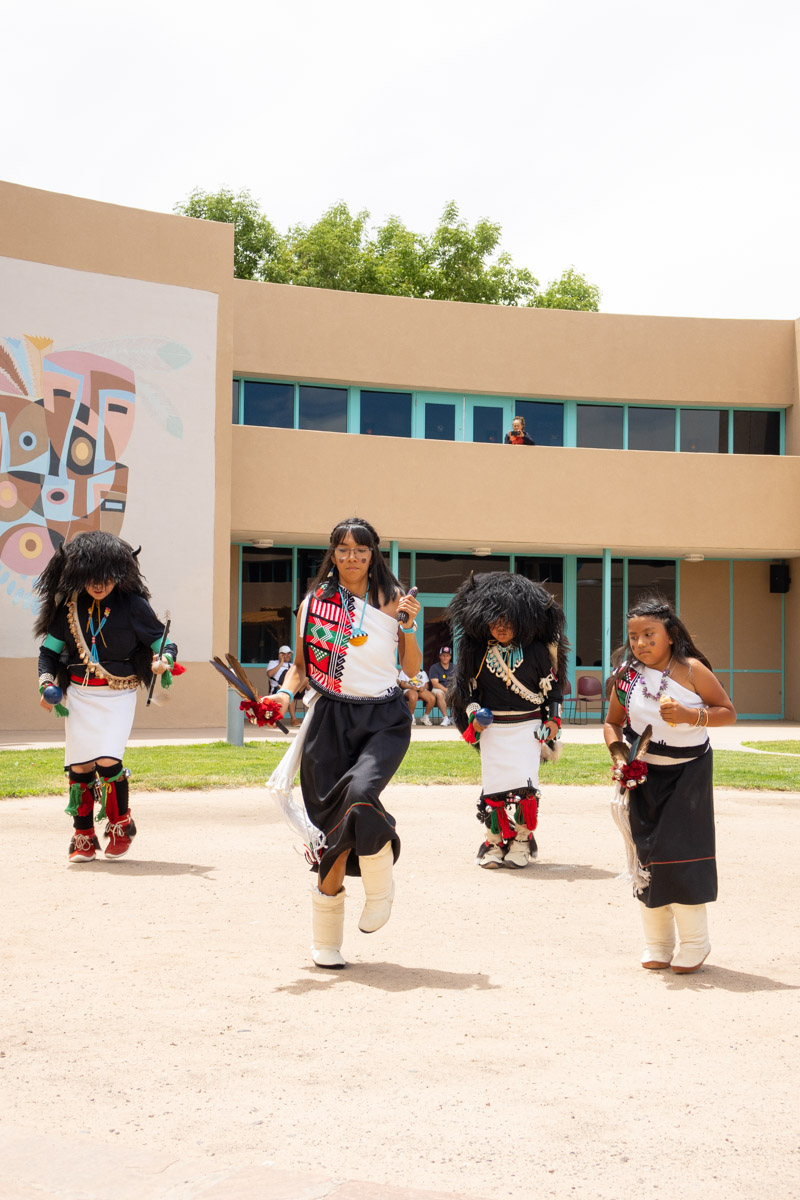
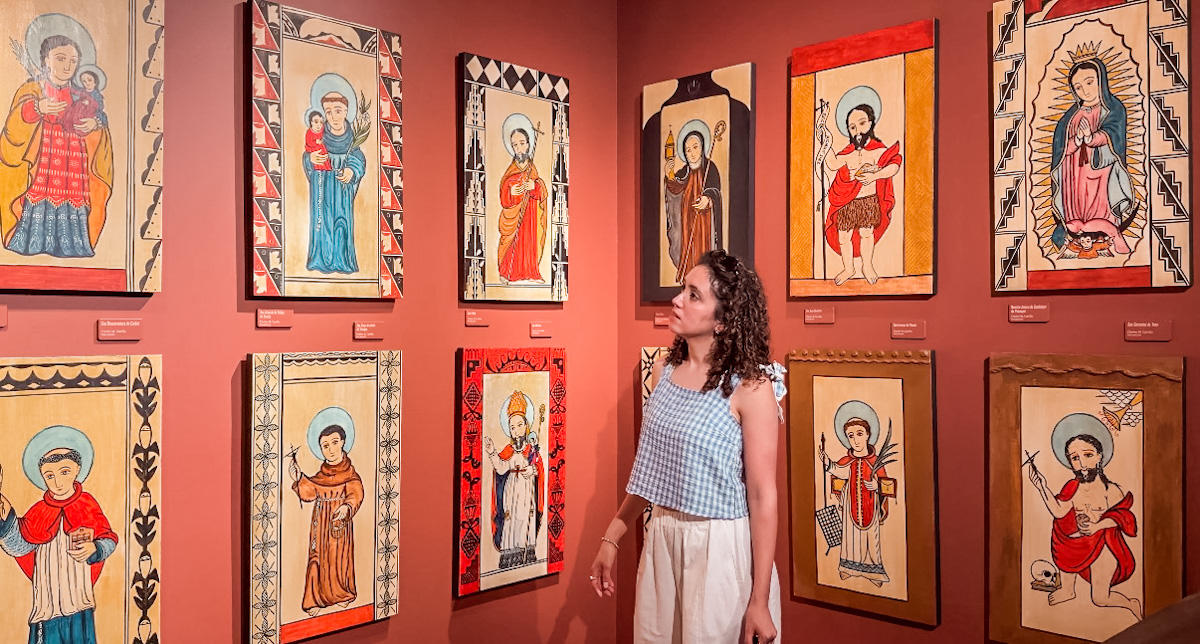
If you do only one cultural museum in Albuquerque, make it the Indian Pueblo Cultural Center (IPCC). And if you’re traveling around New Mexico and plan to visit any Pueblo communities, I would actually come here first.
The IPCC is collectively owned by New Mexico’s 19 Pueblo nations, that means the Pueblo people are at the center of telling their own stories.
Inside, you can learn about all 19 and their different languages, histories, art, pottery, traditions, and contemporary life. And I emphasize contemporary because this is one of the most important things to understand before traveling around New Mexico: these are not civilizations that disappeared hundreds of years ago. New Mexico’s Pueblo communities are very much alive and present today.
Depending on when you visit, the IPCC also hosts Pueblo dances and other cultural programming, so check the calendar before you go.
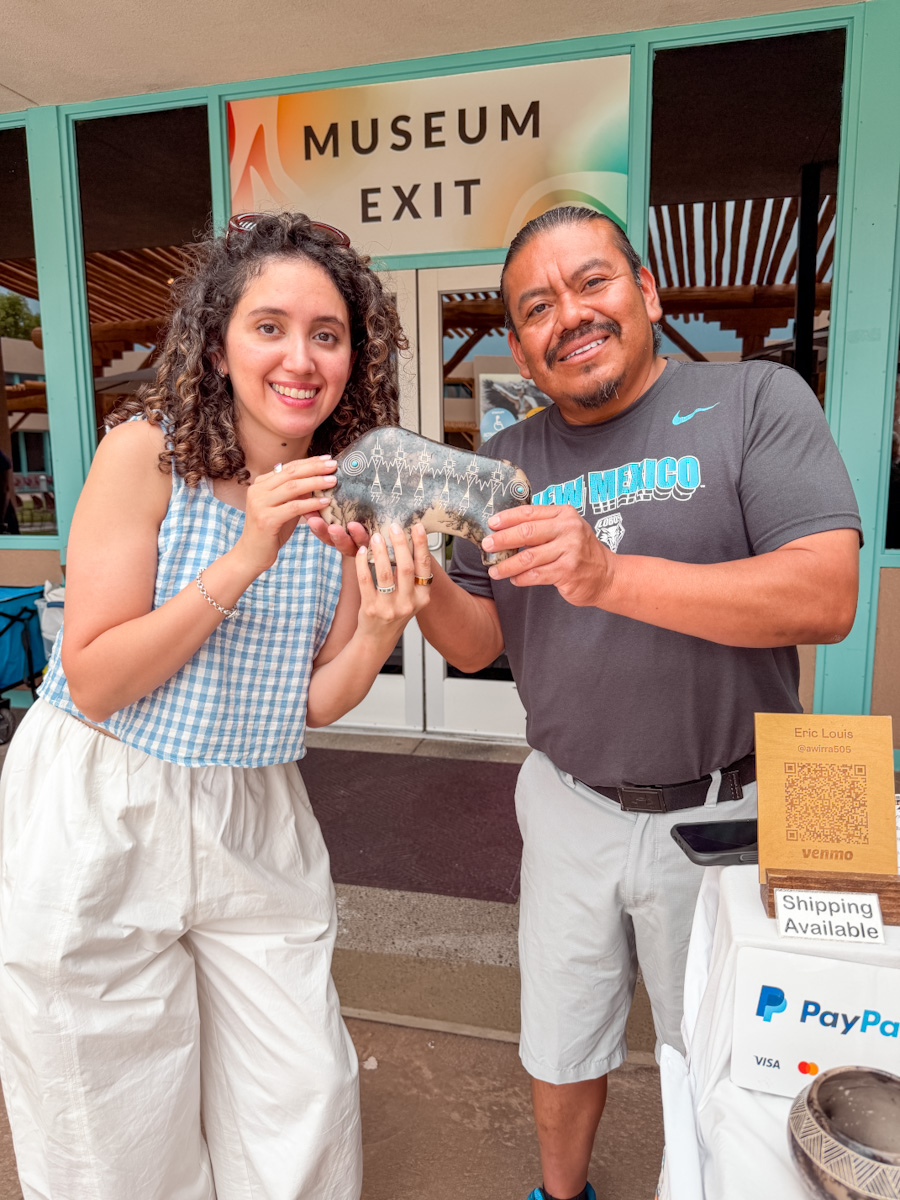
There’s also an excellent store selling Native jewelry, pottery, rugs, and art. Sometimes Native artists sell their work directly in the courtyard, which is where I got one of the most special pieces of art from my trip: this horsehair pottery by Eric Louis, made using an ancient pottery technique.
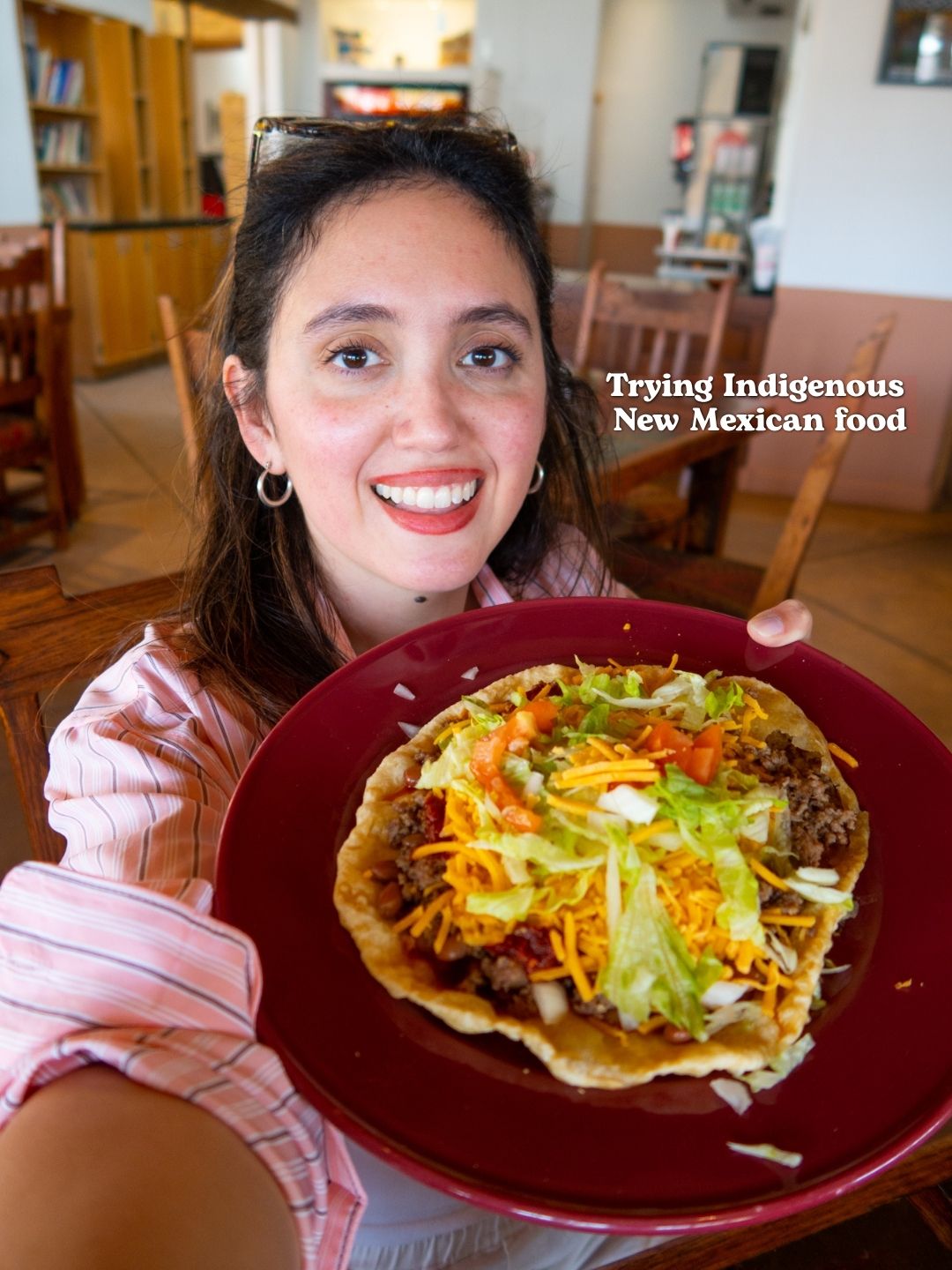
And come hungry. Indian Pueblo Kitchen is Indigenous-run and centers Indigenous New Mexican dishes, ingredients, and culinary traditions.
More than anything, I wish I had visited the IPCC at the beginning of my New Mexico road trip instead of toward the end. It gives you so much cultural and historical context for the Pueblo communities, archaeological sites, art, food, and traditions you will encounter throughout the rest of the state.
If Albuquerque is your gateway into New Mexico, start here.
2. Float Over Albuquerque in a Hot-Air Balloon
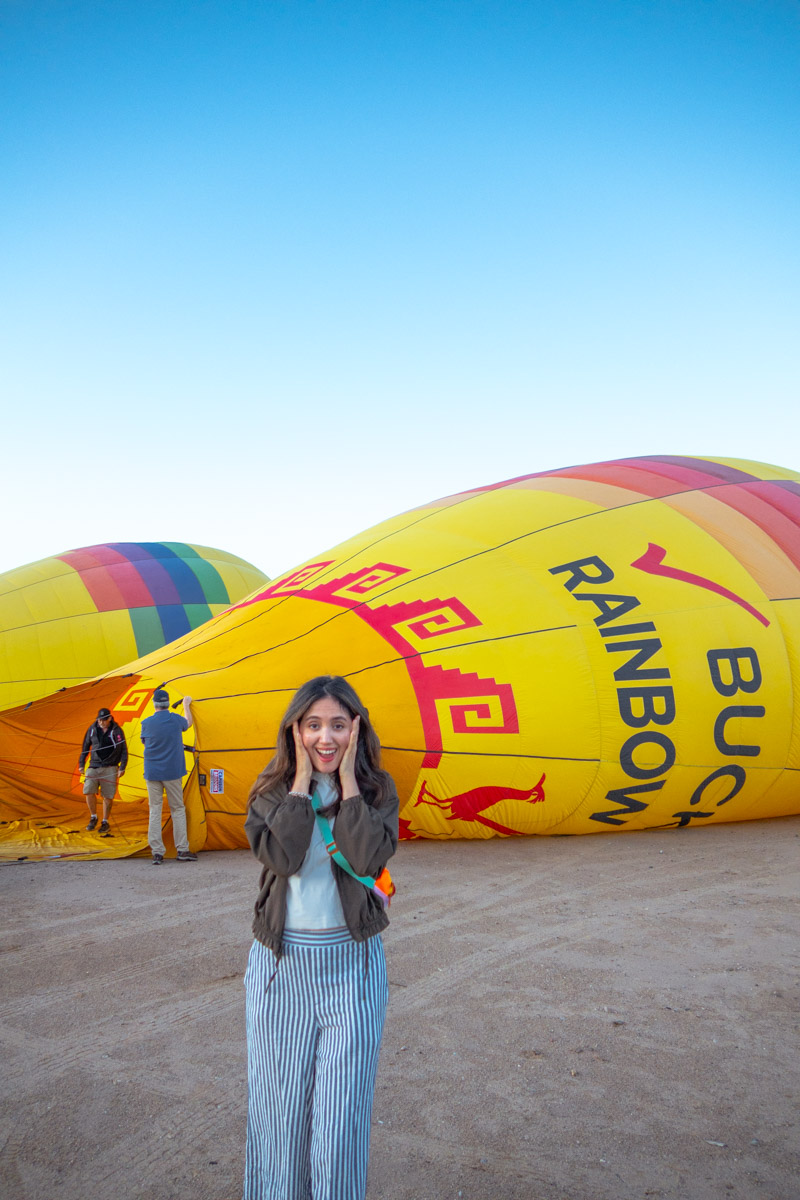
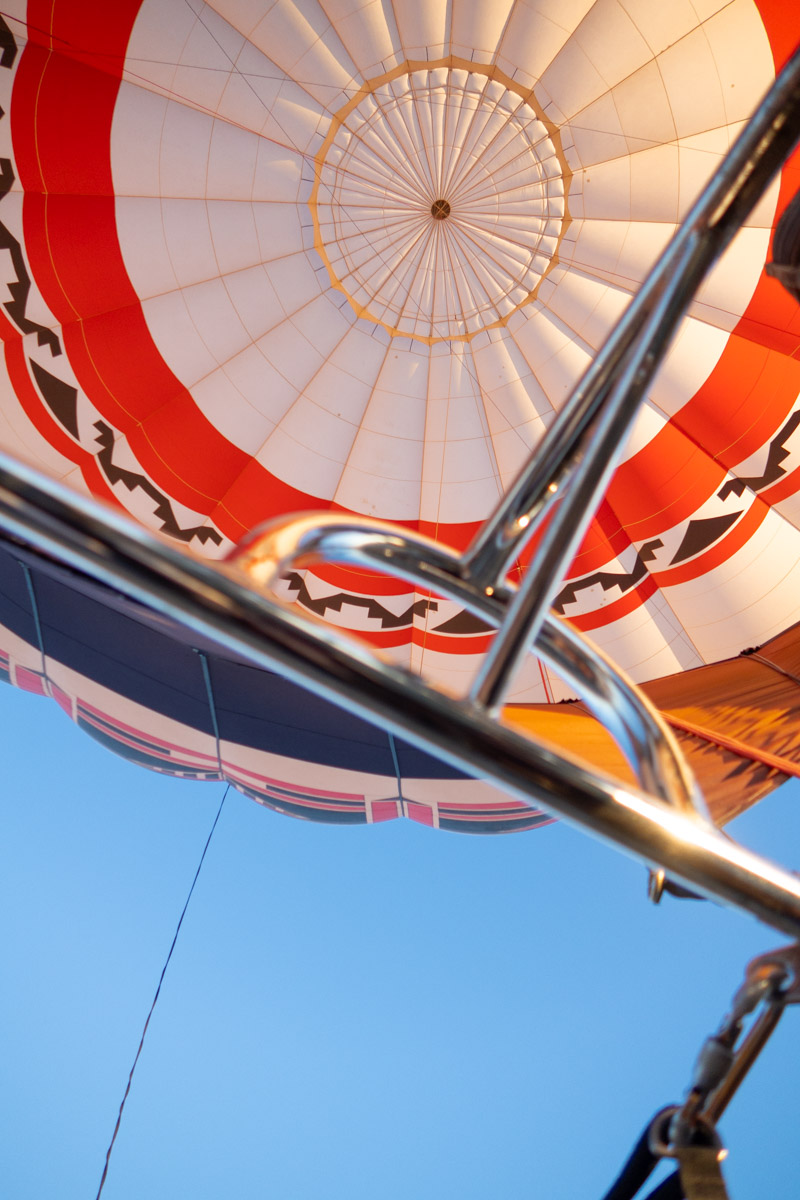
Albuquerque is known as the hot-air-balloon capital of the world, and you don’t have to visit during the world-famous Albuquerque International Balloon Fiesta to experience it. Hot-air ballooning is part of the culture here year-round.
We went up around sunrise with Rainbow Ryders, floating above Albuquerque as the desert slowly lit up beneath us. I’m terrified of falling, but hot air balloons ascend slowly like an elevator. You do not feel any drops. It’s very steady and the team does an excellent job of ensuring safety, from keeping track of the weather to detailed protocols on/off the ground.
From the air, you can see the Rio Grande cutting through the dry landscape, the Sandia Mountains rising dramatically along the eastern side of the city, and miles of high desert stretching beyond it.
But one of my favorite parts was learning how hilariously casual hot-air ballooning can be here.
The winds help decide where you’re going, so the pilot might decide to land in open fields, neighborhoods, behind businesses, wherever the smoothest conditions allow.
And you come in October for the Albuquerque International Balloon Fiesta, one of the largest and most famous hot-air-balloon events in the world.
3. Explore Old Town Albuquerque
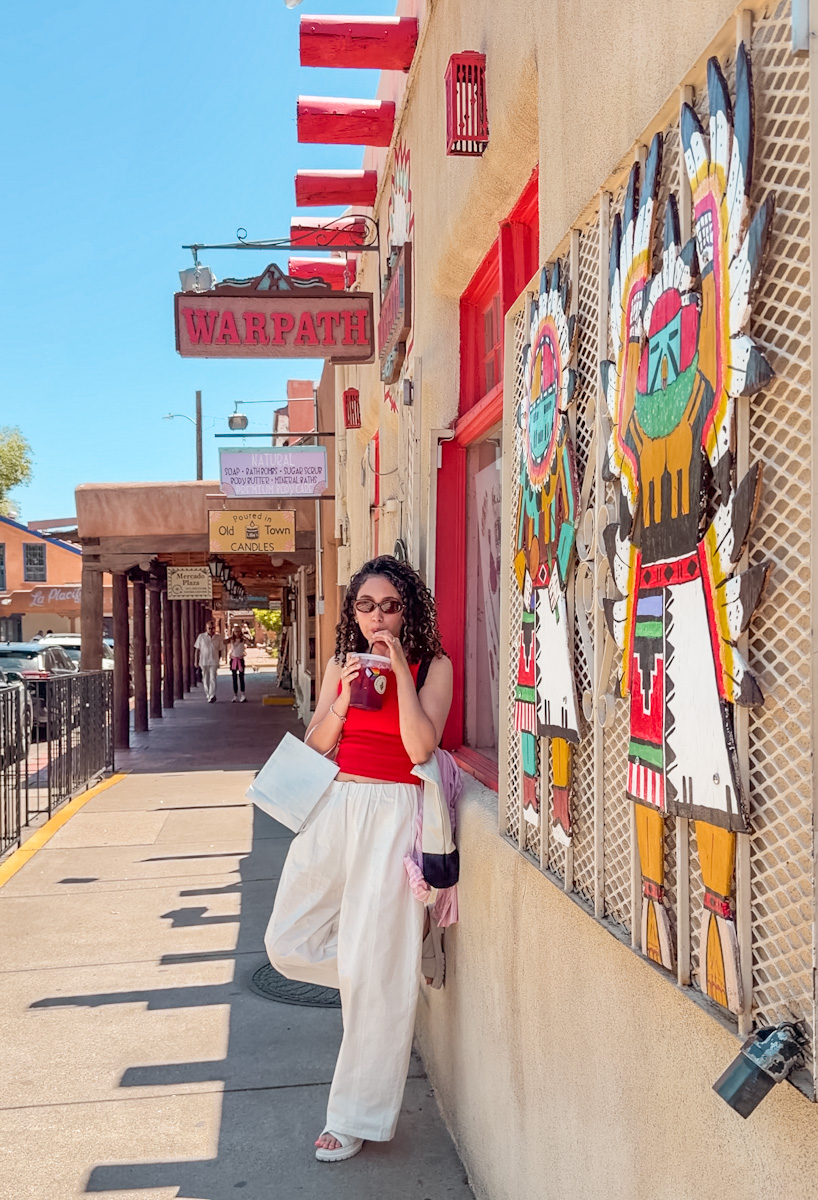
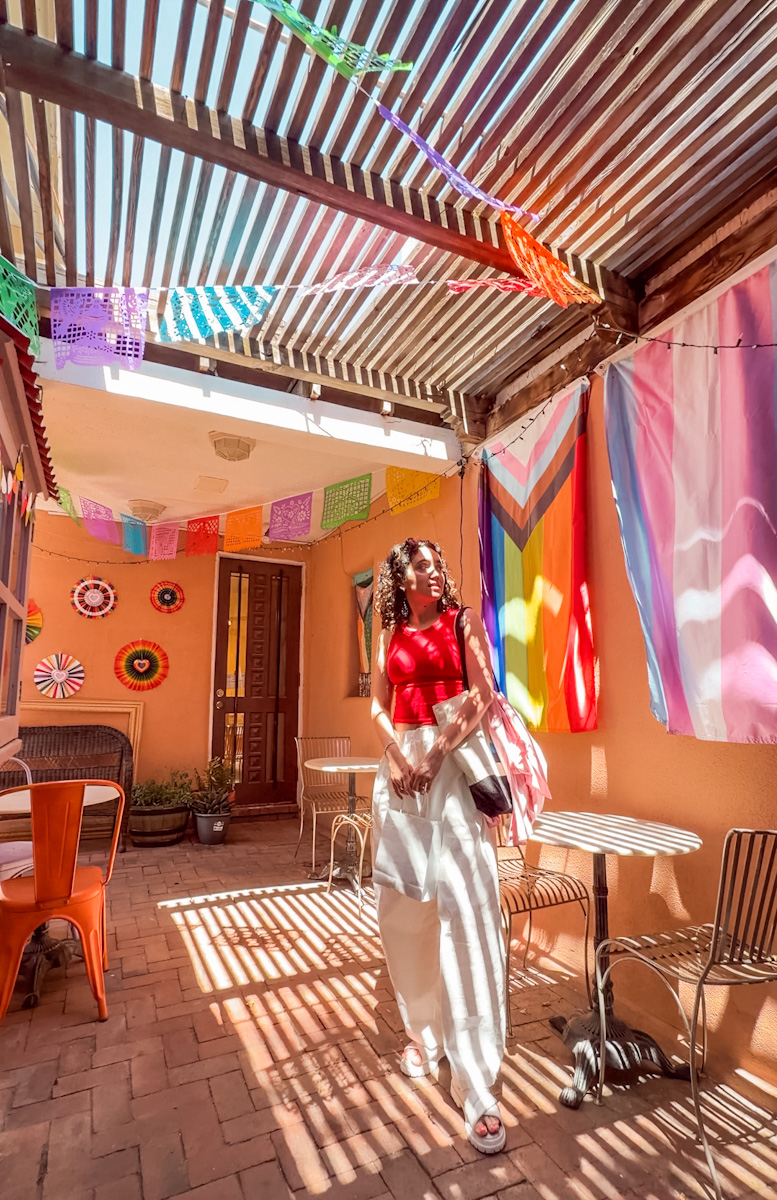
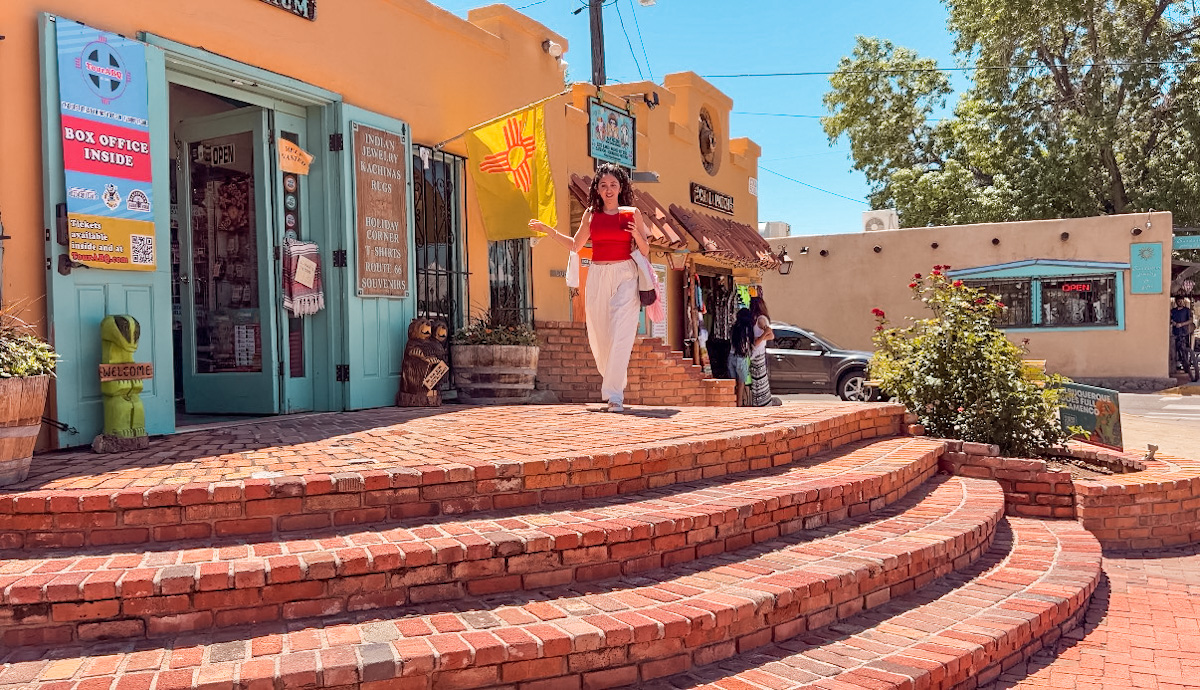
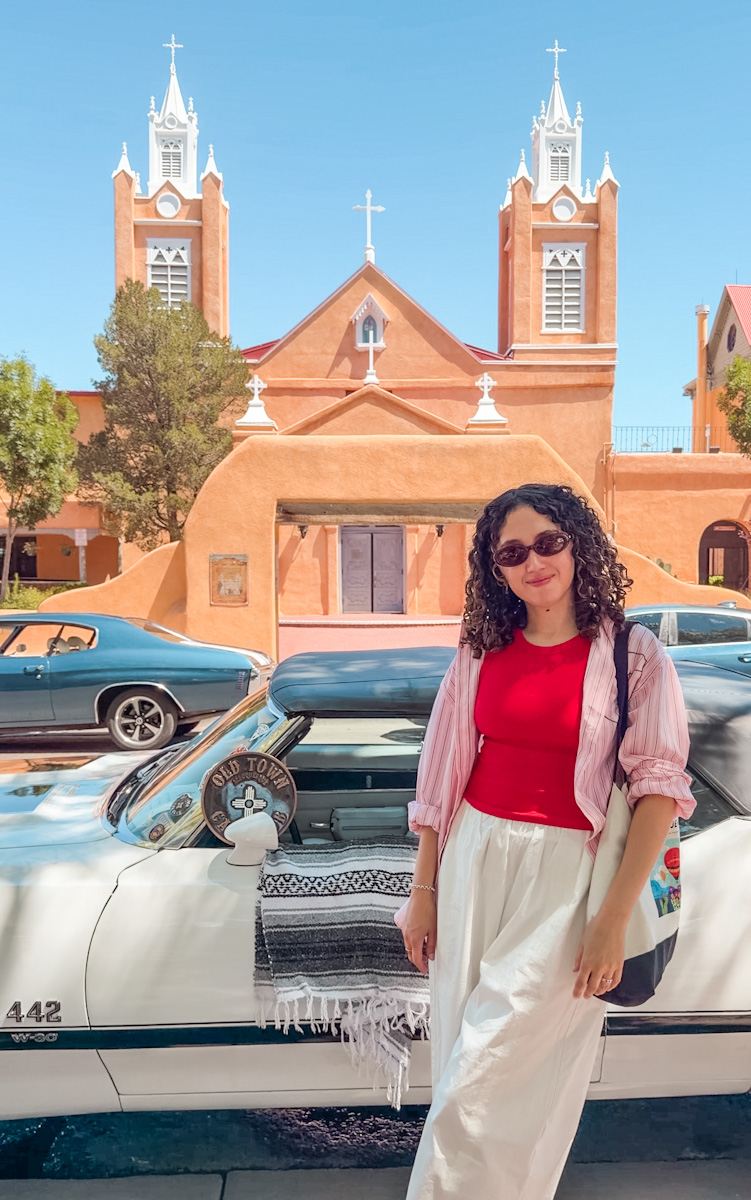
I spent half a day wandering the cute Old Town Albuquerque, the historic heart of the city adobe buildings, courtyards, restaurants, galleries, museums, and more than 100 shops.
This is where the Spanish colonial settlement of Albuquerque was established in 1706, and more than 300 years later, the original plaza remains the center of the neighborhood.
It doesn’t feel as touristy as most American Old Towns because it still has a lot of locally owned small businesses and there are layers of Albuquerque culture mixed in. You’ll go crazy here if you love shopping. From native-owned shops like The Silver Artichoke and the stands outside of Old Town Plaza, to curated thrift boutiques like The Sagrada. This is where you want to save your shopping budget
We even stumbled across the lowrider culture here, expressions of Chicano cultural identity, family, artistry, and pride iconic to the American Southwest. Owners spend years working on turning the car into drivable work of art.
Pro tip: after traveling around New Mexico, ABQ is where you want to allocate your shopping budget, not Santa Fe.
4. Half-Day Trip to Acoma Pueblo (Sky City)
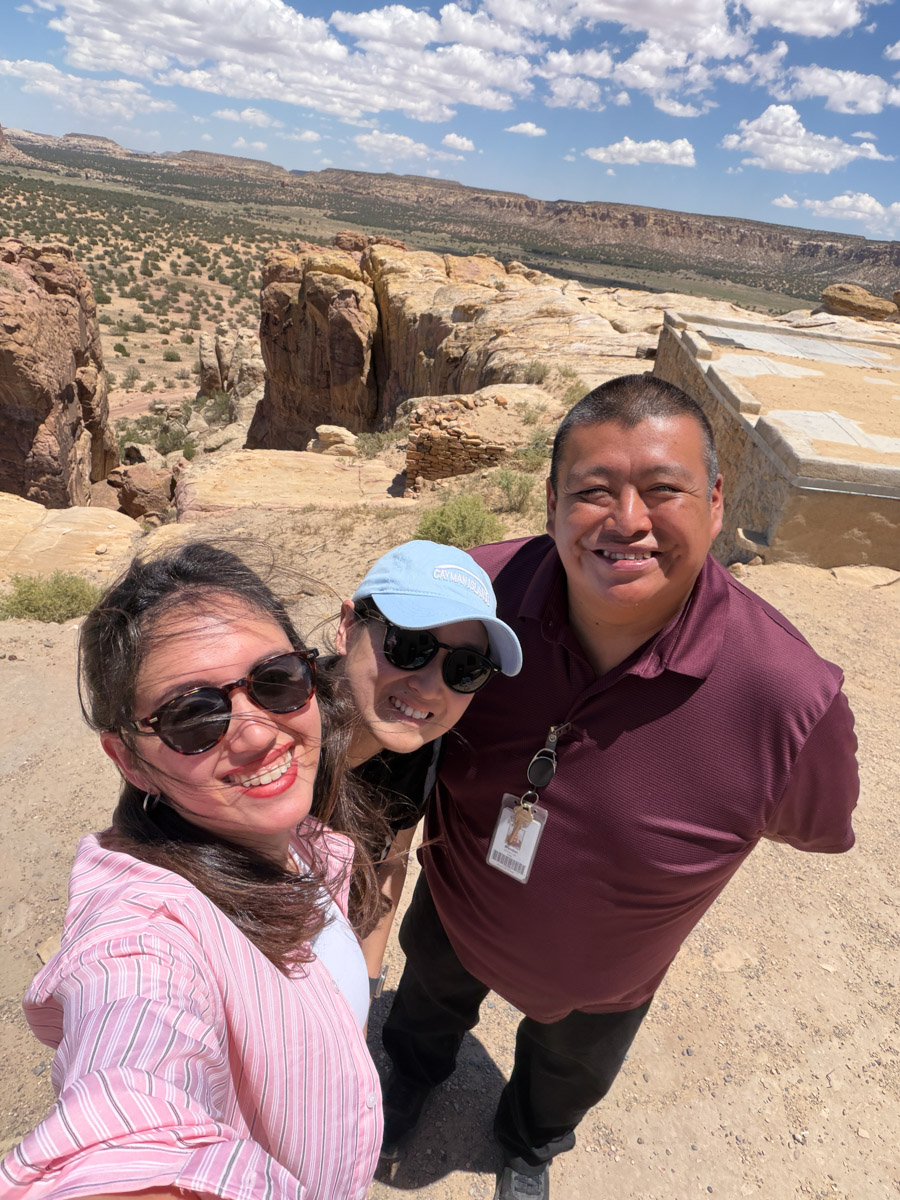
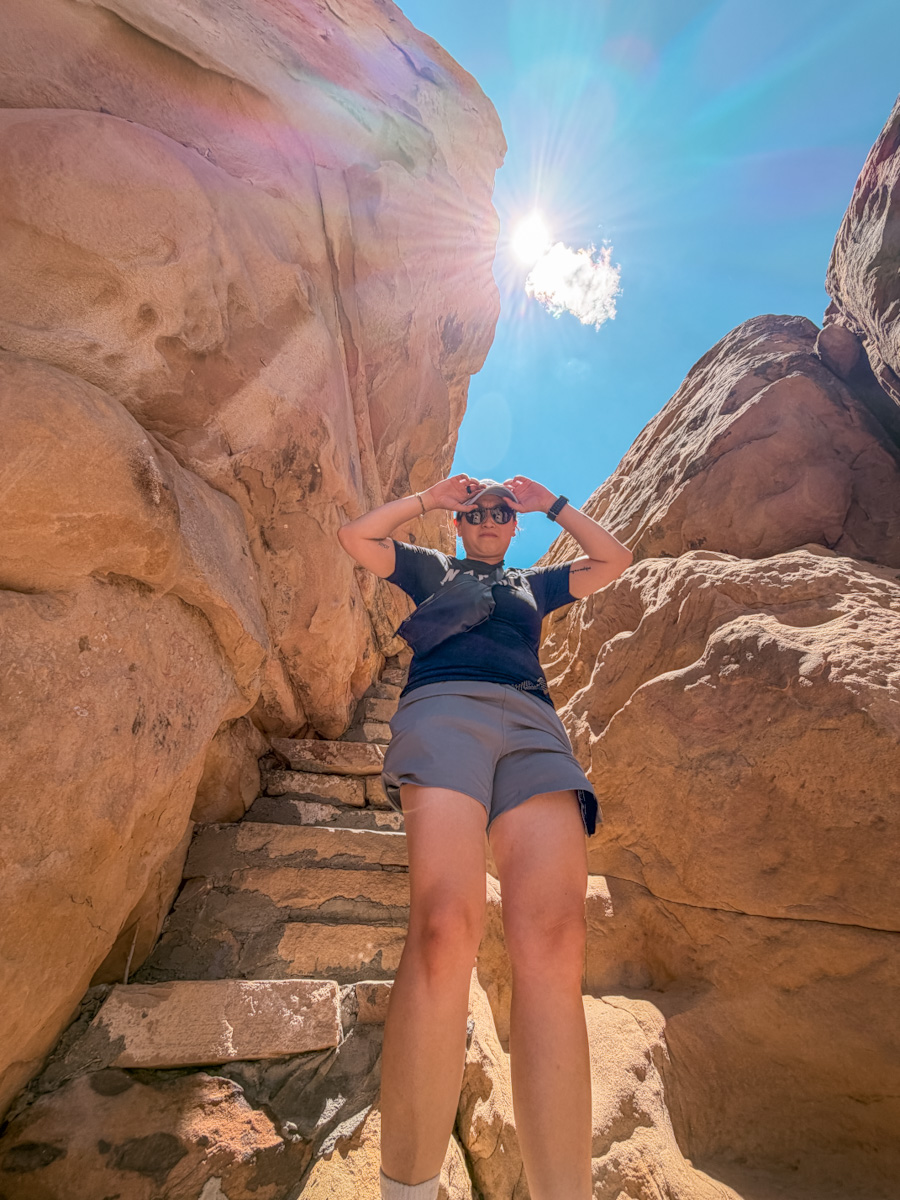
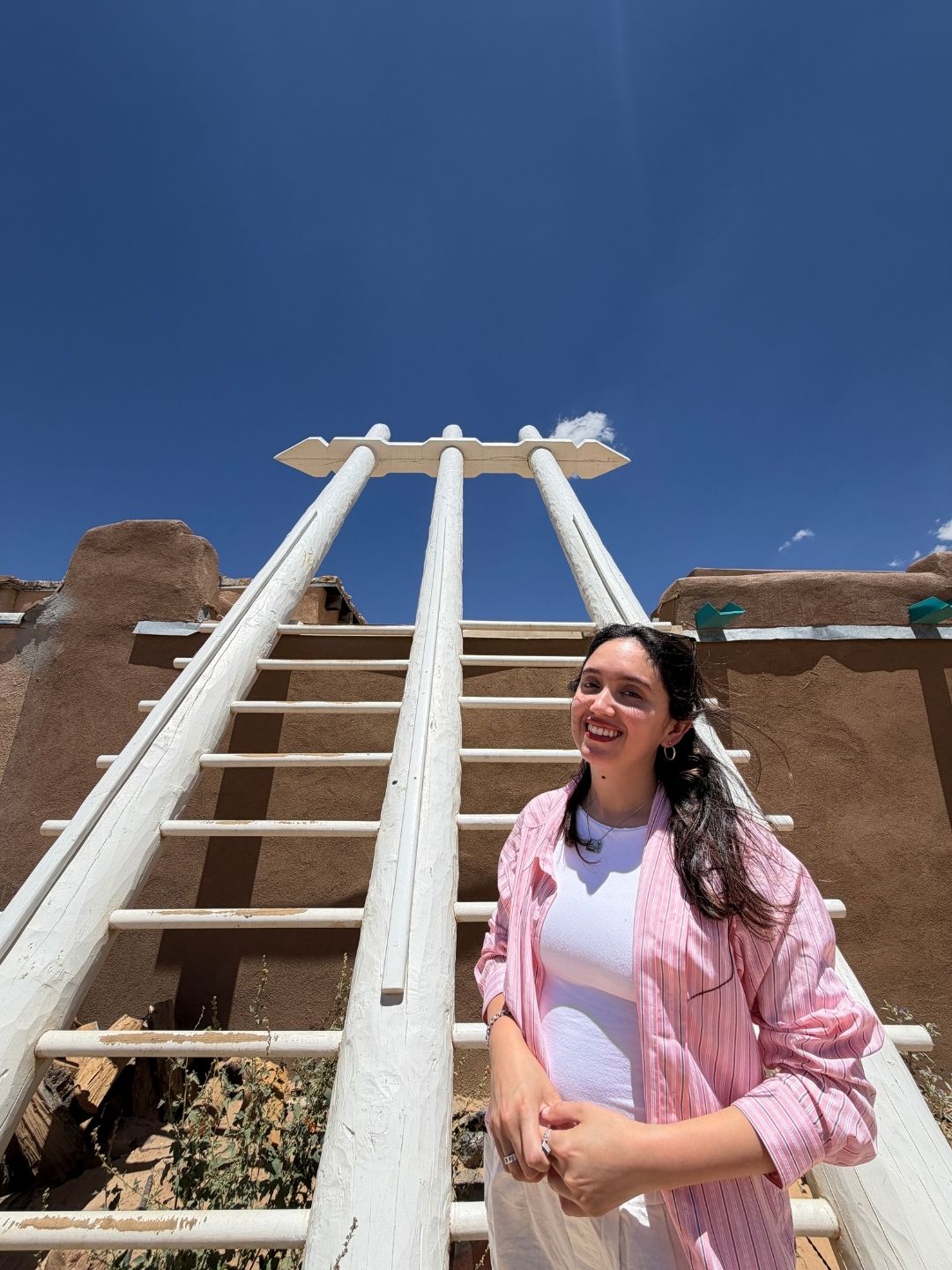
About an hour west of Albuquerque is Acoma Pueblo, one of New Mexico’s 19 Pueblo nations and one of the oldest continuously inhabited communities in what is now the United States.
This was easily one of the most meaningful experiences of my entire New Mexico trip.
The historic village, known as Sky City, sits dramatically atop a roughly 367-foot sandstone mesa surrounded by an enormous expanse of desert. People have lived in this community for centuries, and some Acoma families still maintain homes on the mesa today.
Your visit begins at the Sky City Cultural Center and Haak’u Museum, where you’ll take a tour to learn about Acoma history and culture before heading up to the mesa. Access to Sky City is only through locally-led guided tours. Because remember: this is a living, sovereign Pueblo community, not an archaeological attraction.
Our guide was Brandon, aka Turtle, an Acoma Pueblo member who took us up by bus and guided us through the village. Having someone from the community explain Acoma history, architecture, traditions, and contemporary life added depth you simply wouldn’t get wandering around on your own.
And the landscape alone is monumental. From the top of the mesa, you’re looking across this vast New Mexican desert with enormous rock formations rising in the distance. It’s one of those places where the geography itself helps you understand why a community developed the way it did.
Be respectful when you visit. Rules govern photography and video, and some places and ceremonies are completely off-limits to visitors. Pay attention to whatever guidance you’re given when you arrive.
The cultural center also has a restaurant serving Indigenous and New Mexican dishes, plus a gift shop where you can support Acoma artists.
5. Dive Into Atomic History at the Museum of Nuclear Science
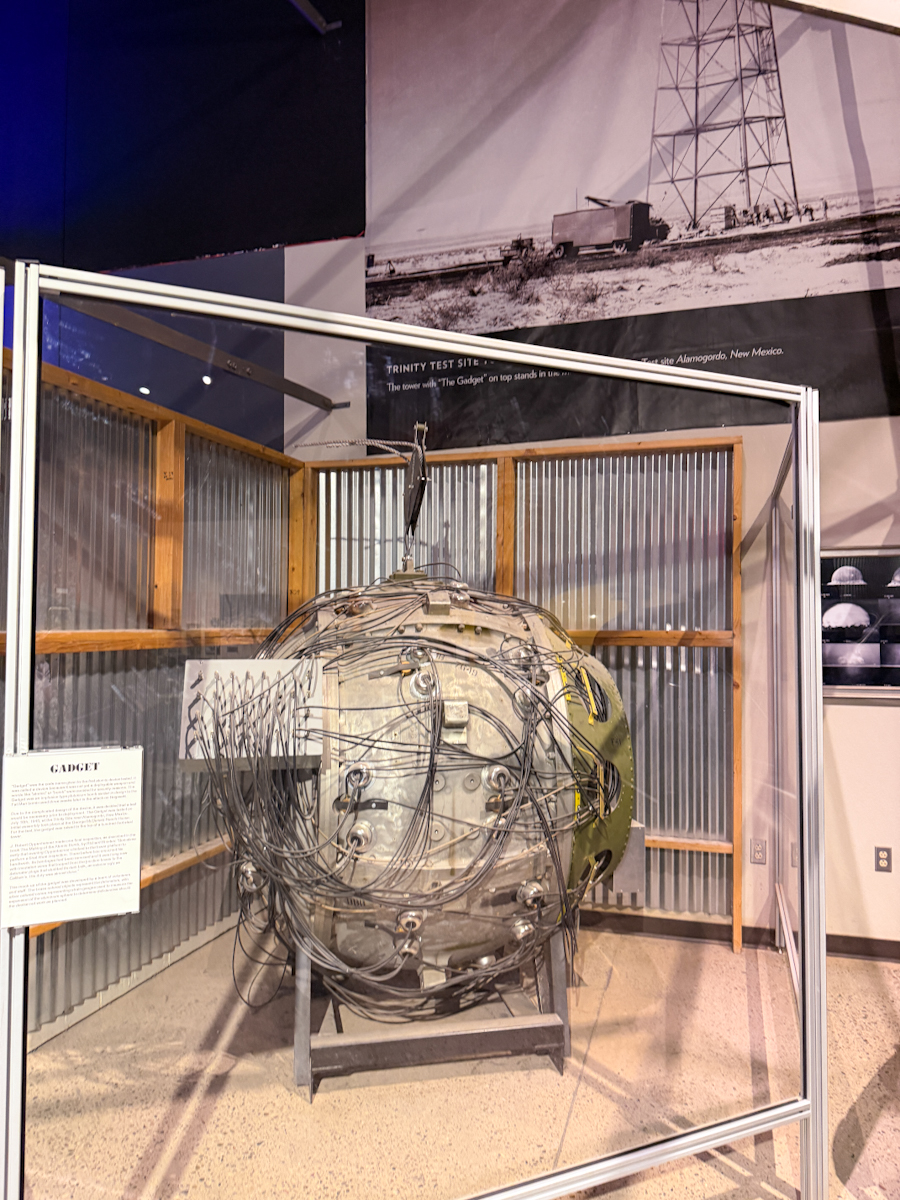
New Mexico played a pivotal role in one of the most consequential technological developments in human history: the creation of the atomic bomb.
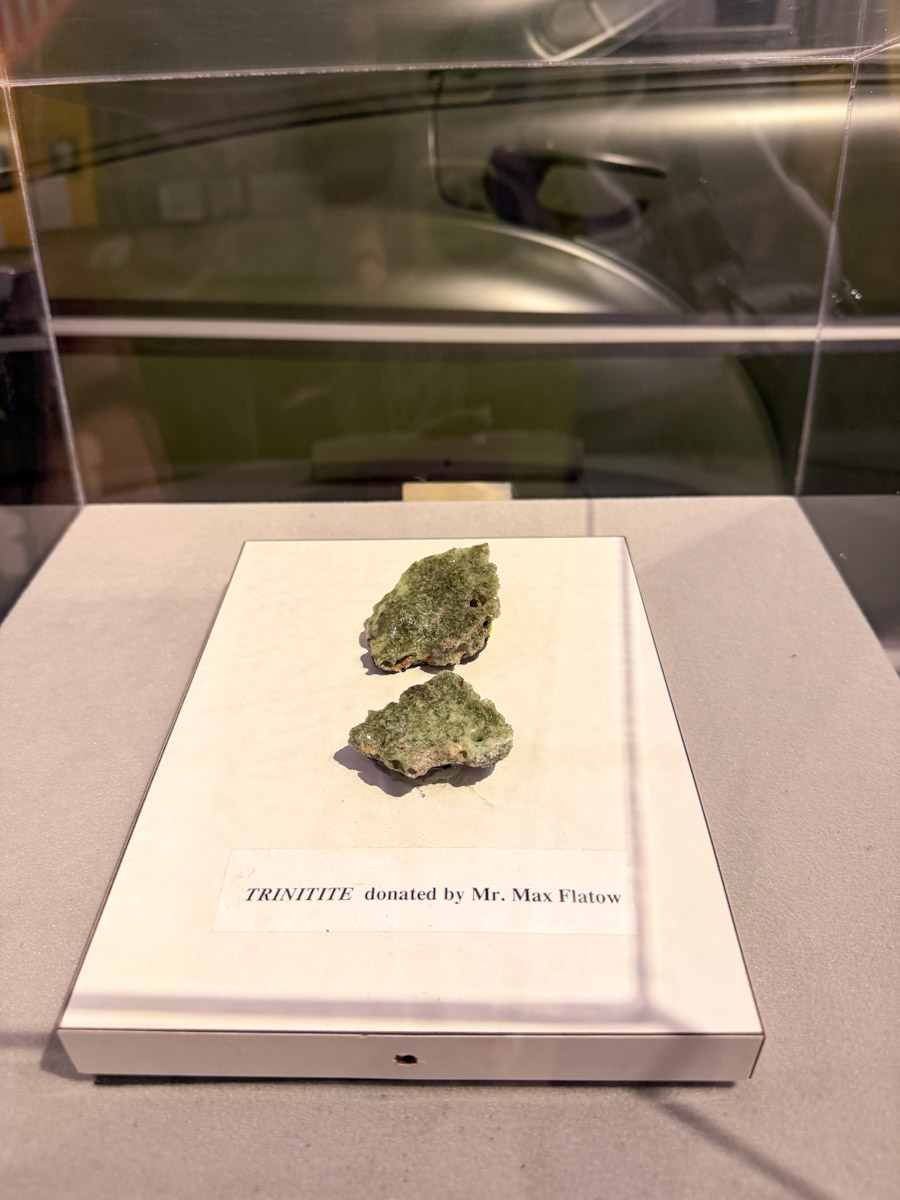
During World War II, Los Alamos became the secret laboratory where scientists working on the Manhattan Project developed the world’s first atomic weapons. And on July 16, 1945, the world’s first nuclear weapon was detonated at the Trinity Site here in New Mexico.
And Albuquerque’s National Museum of Nuclear Science & History is not just one of the best places to understand that life-changing history; I think it’s also one of the best museums in the USA.
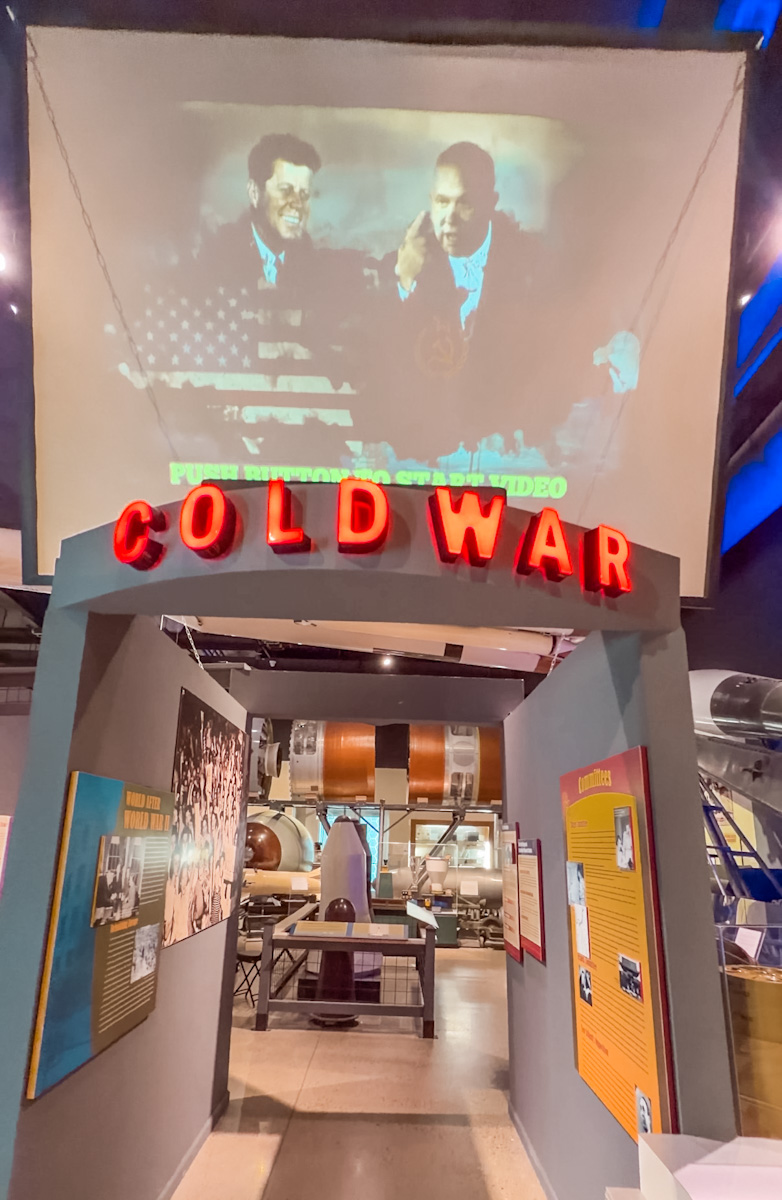
It covers the Atomic Age from early nuclear science and the Manhattan Project through World War II, the Cold War, nuclear energy and medicine, and the continuing implications of nuclear technology today.
What I especially loved about this museum was the volunteers. They were passionate, knowledgeable, eager to answer questions, and would pull you into demonstrations or start explaining some tiny piece of technology you might otherwise have walked right past. That human interaction made the museum so much more memorable for me.
Outside, there’s also a huge collection of aircraft, missiles, rockets, and other military and nuclear-related technology that makes the scale of this history feel very real. It’s fascinating. It’s disturbing. And it feels incredibly timely.
Come here first, before you visit any other nuclear-related historical sites across the state, from Los Alamos to Trinity Site, for their 2x/year tours.
6. Ride the Sandia Peak Tramway Into the Mountains
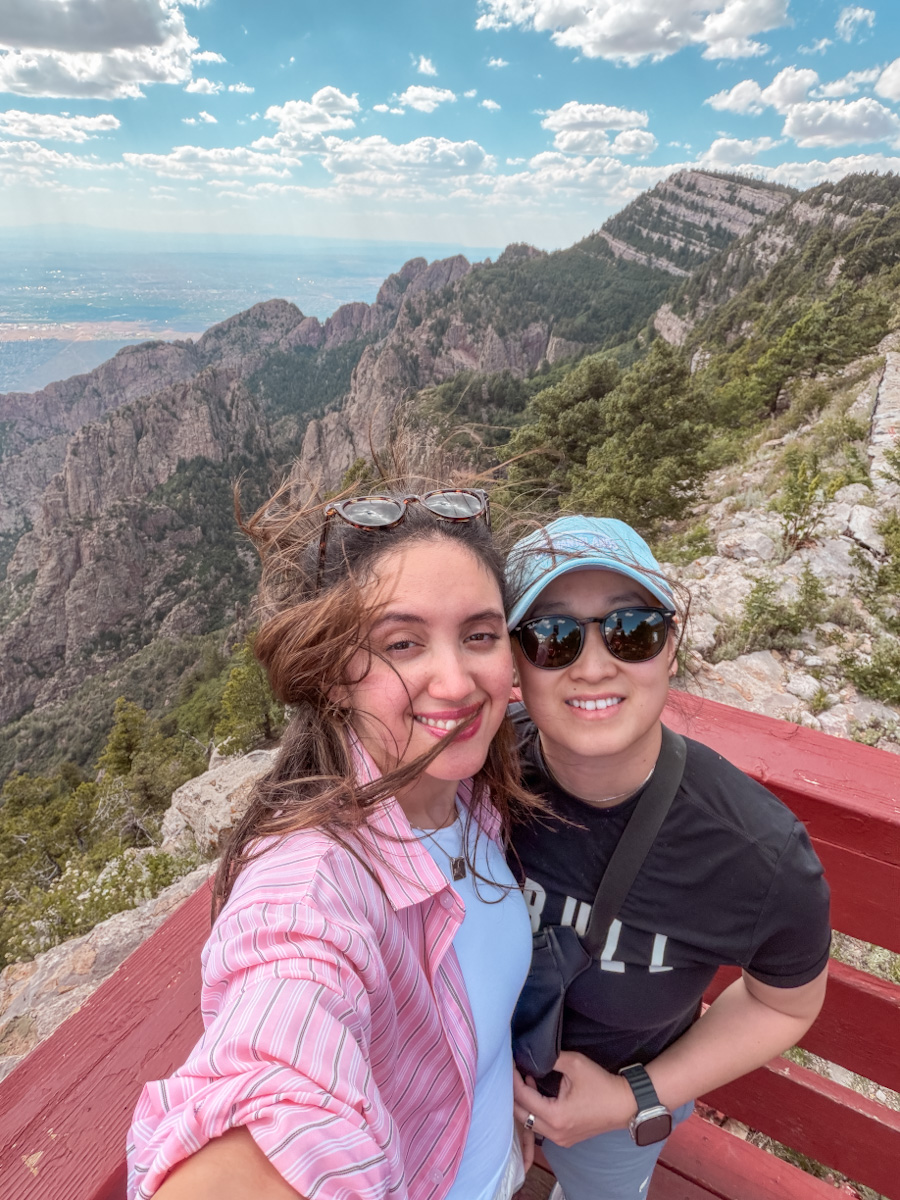
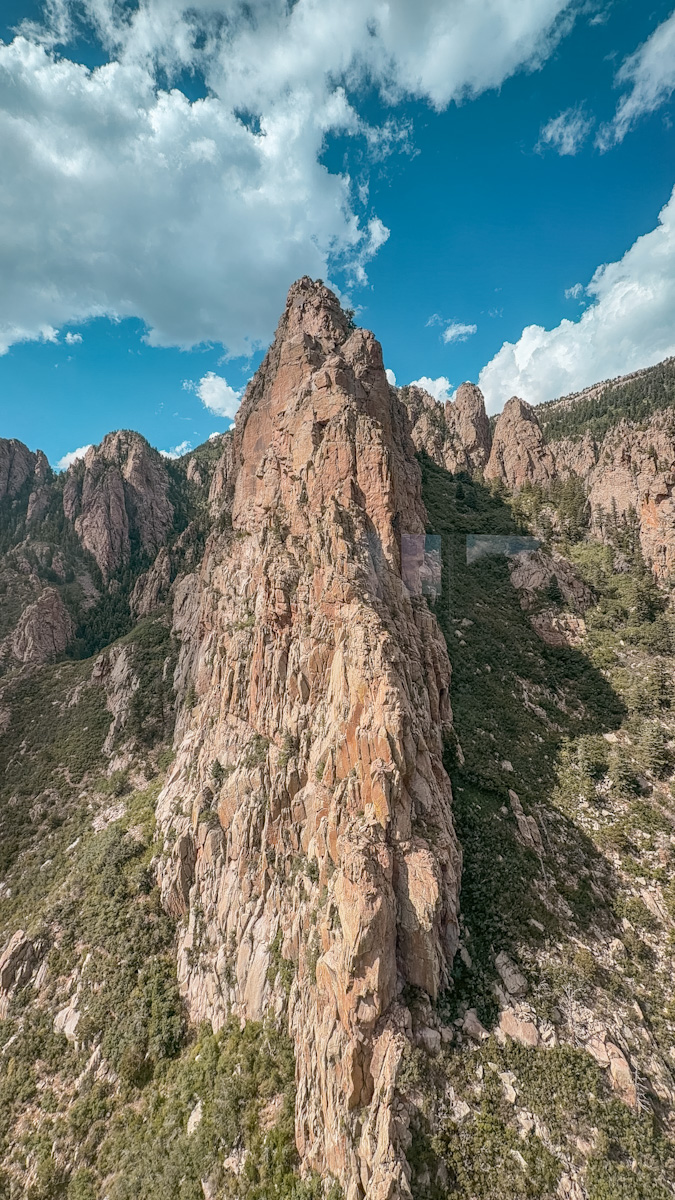
One of the coolest things about Albuquerque is how quickly the city gives way to the outdoors.
The Sandia Mountains rise dramatically along Albuquerque’s eastern edge, and one of the easiest and prettiest ways to experience them is aboard the Sandia Peak Tramway.
The tram travels roughly 2.7 miles from the edge of Albuquerque up into the mountains, eventually reaching an elevation of more than 10,000 feet.
You’ll move from Albuquerque’s high-desert environment into a completely different mountain ecosystem as you climb, passing enormous rock faces and deep canyons along the way.
The guides were great at pointing things out and explaining what we were looking at, but honestly, I spent most of the ride plastered to the window.
I’ve taken a lot of cable cars and tramways while traveling, and this was one of my favorites.
Once you’re at the top, you can hike or do other outdoor activities depending on the season, plus ski in winter.
I strongly recommend that if you’re not planning to hike or ski, you stay on the lift on the way back down because the lines can get crazy during certain times of the day. On the way up, we waited 5 minutes to get on the tram. On the way down, we waited in line for over an hour to board!
7. Save Your Shopping Money for Albuquerque
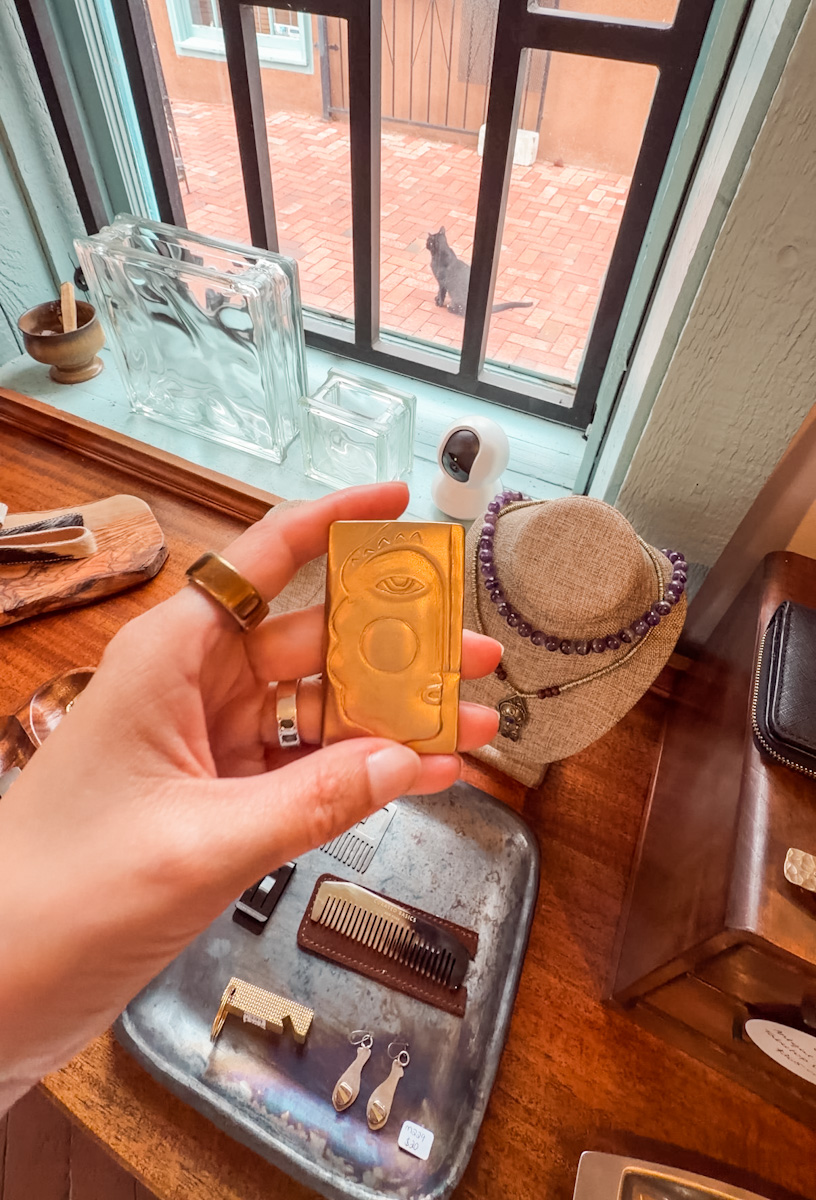
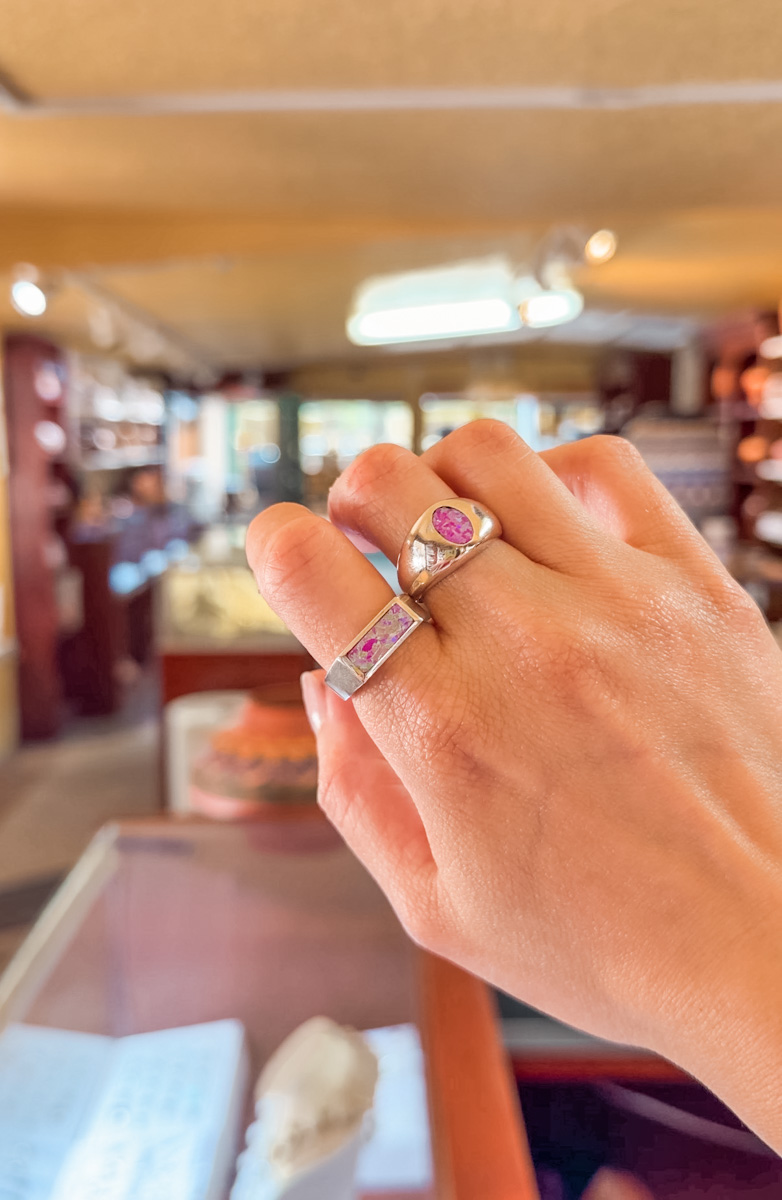
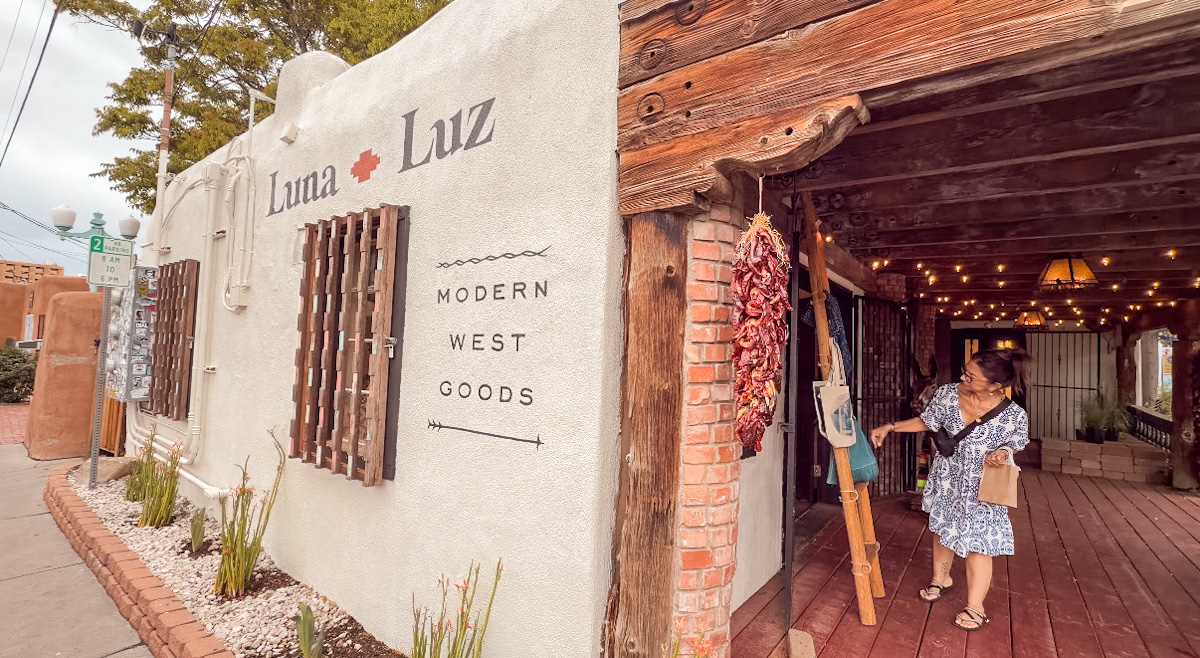
This may be an unpopular opinion, but after traveling around New Mexico, I would save your shopping budget for Albuquerque, not Santa Fe.
I went into this trip expecting Santa Fe to be the place for art and shopping. And yes, Santa Fe has an enormous concentration of galleries and pretty things, but I found much of it exorbitantly overpriced and geared toward a higher-end tourist market.
Albuquerque felt like it had a much wider range. I found shopping here much more accessible, and more fun and locally inclusive
Old Town has over 150 locally-owned shops where you can find Native jewelry, pottery, textiles, Southwestern art, books, crafts, and locally made goods at all kinds of price points.
If you’re specifically shopping for Native art, though, pay attention to who actually made what you’re buying. “Southwestern” and “Native-inspired” are not the same thing as Native-made. Ask questions, look for information about the artist and Pueblo or tribal affiliation.
The Indian Pueblo Cultural Center is another excellent place to shop. Its store carries traditional and contemporary Native jewelry, pottery, rugs, and art, and you may also find artists selling their work directly in the courtyard.
8. Eat Your Way Through Sawmill Market
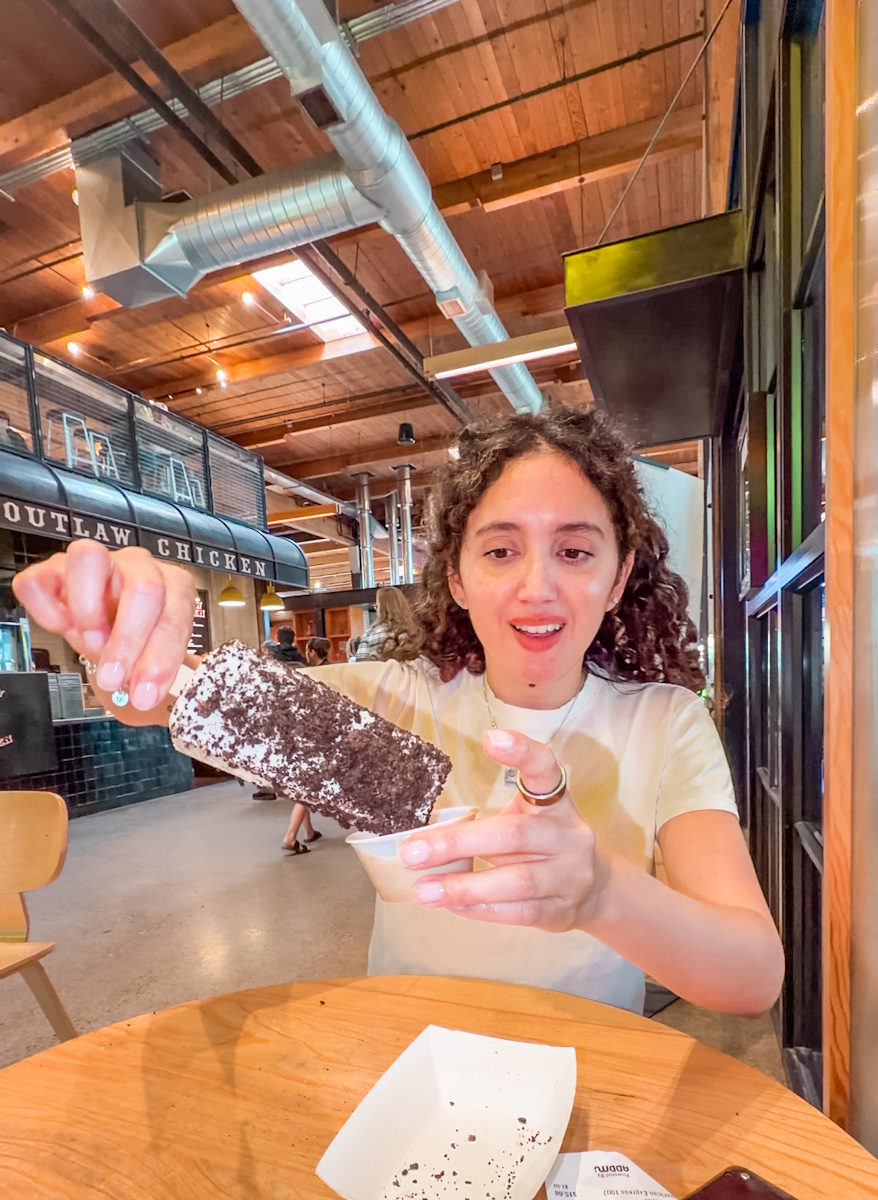
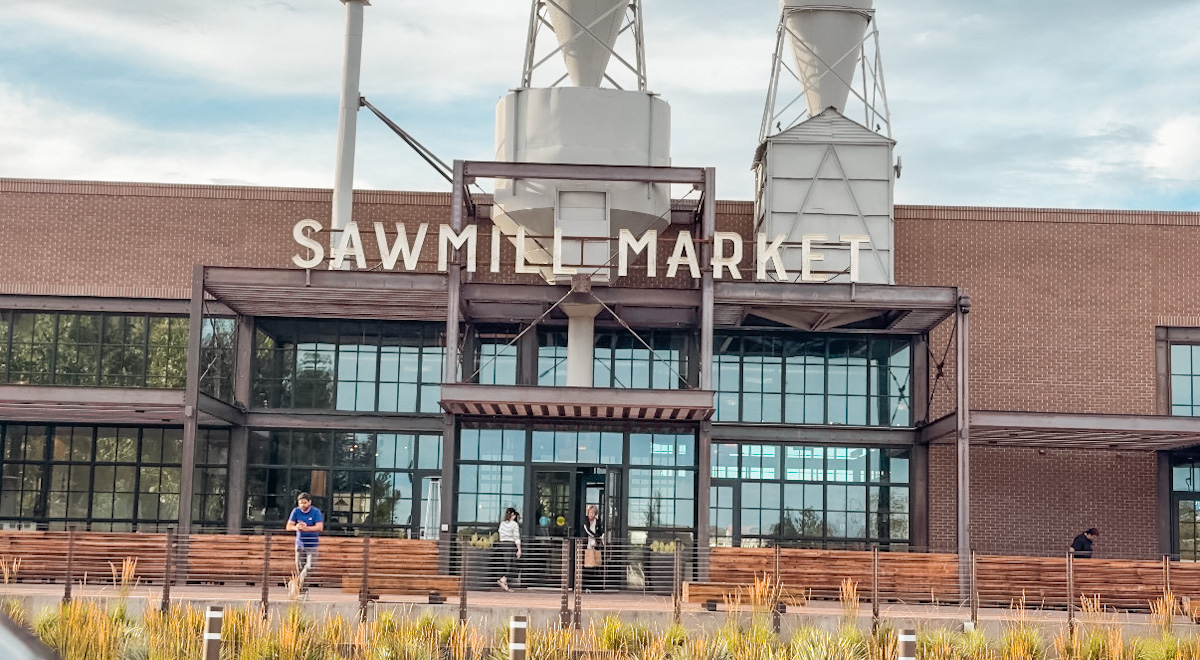
I know I already said it, but I’m saying it again: save room in your food budget for Albuquerque.
Some of the best food I had anywhere in New Mexico was in this city, and one of my favorite places to sample a bunch of it under one roof was Sawmill Market.
Sawmill is a huge, beautifully designed food hall in the Sawmill District, right near Old Town and the Indian Pueblo Cultural Center. Instead of committing to one restaurant, you can wander around, order from different local vendors, grab a drink, and basically build your own food crawl.
Two of our favorites were The Paleta Bar and Outlaw Chicken. I’m still thinking about them.
But there are dozens of vendors here, with everything from New Mexican food and coffee to sushi, pasta, waffles, poke, cocktails, desserts, and more. So this is an especially good stop if you’re traveling with people who can never agree on what they want to eat.
And Sawmill isn’t just somewhere I’d stop because it’s convenient. I genuinely loved it.
It’s also extremely easy to work into an Albuquerque itinerary. You can visit the Indian Pueblo Cultural Center, explore Old Town, and then come here for lunch or dinner without spending your day zigzagging across the city.
If you’re staying at Hotel Chaco, it’s even easier: Sawmill is basically next door.
9. Check Out Albuquerque’s Other Museums & Cultural Centers
One thing that genuinely surprised me about Albuquerque was the sheer number and variety of museums here.
I’ve already given the Indian Pueblo Cultural Center and National Museum of Nuclear Science & History their own sections because I think they’re especially important. But depending on your interests, there are several others worth knowing about.
The National Hispanic Cultural Center is probably the one I’d prioritize next, particularly if you’re interested in the larger cultural story I talked about at the beginning of this article. The center is dedicated to Hispanic arts, culture, and humanities, with visual art, performing arts, exhibitions, and cultural programming.
Near Old Town, there’s also the Albuquerque Museum, which focuses on the art and history of Albuquerque and the surrounding region. If you want more context for the city itself, this is the obvious one to pair with your time in Old Town.
Practically next door is the New Mexico Museum of Natural History & Science, which dives into New Mexico’s natural history, geology, dinosaurs, astronomy, and science. If you’re traveling with kids—or you’re just the kind of adult who still gets excited about dinosaurs—put this one on your radar.
And if your hot-air-balloon ride leaves you wanting to know more about why Albuquerque became so synonymous with ballooning, there’s also the Anderson Abruzzo Albuquerque International Balloon Museum.
I wouldn’t try to cram every museum into one trip. Pick the ones that actually match your interests.
What I would say is that Albuquerque’s museums are part of the reason I now recommend starting a New Mexico road trip here. Between Pueblo history, Hispanic culture, the Atomic Age, natural history, art, and the city’s own history, you can get an incredible amount of context before heading out into the rest of the state.
10. Experience Flamenco in Someone’s Living Room
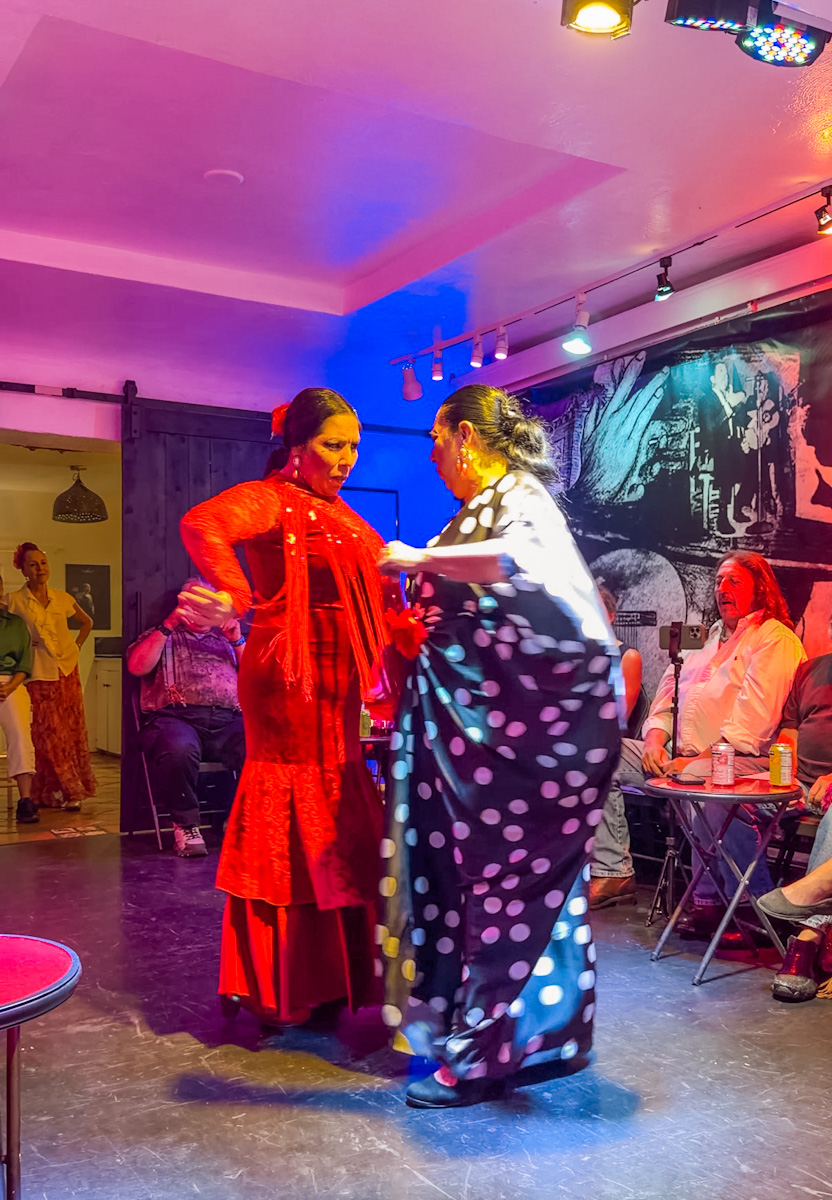
Some of the best flamenco I’ve experienced outside of Spain actually happened in someone’s living room in New Mexico. And I lived in Seville and have seen flamenco many times around Spain.
We went to Casa Flamenca, which is quite literally a house near Old Town that’s been transformed into an intimate flamenco space. Inside, its small performance room, La Sala. You’re sitting just a foot away from the dancers, singer, and guitarist.
Flamenco is already incredibly visceral when you’re watching it live. In a room this small, you hear the singer breathe. You hear every strike of a dancer’s shoe against the floor. You can see the musicians and dancers communicating with each other in real time. There’s nowhere for the energy to dissipate. It was intimate, raw, and genuinely one of my favorite flamenco experiences I’ve had in the world.
With Spanish roots, Albuquerque has had flamenco for decades. Today it is home to the National Institute of Flamenco, and hosts Festival Flamenco Alburquerque, one of the largest and longest-running flamenco festivals outside of Spain.
Casa Flamenca would be my personal pick if you want something intimate like what we experienced. Their performances bring together cante (singing), toque (guitar), and baile (dance), with artists from New Mexico as well as visiting artists from Andalucía.
Another option is Tablao Flamenco Albuquerque at Hotel Albuquerque in Old Town, presented by the National Institute of Flamenco. It’s a more polished dinner-and-show tablao experience, but still intentionally intimate, with the audience seated close to the performers.
Where to Eat in Albuquerque
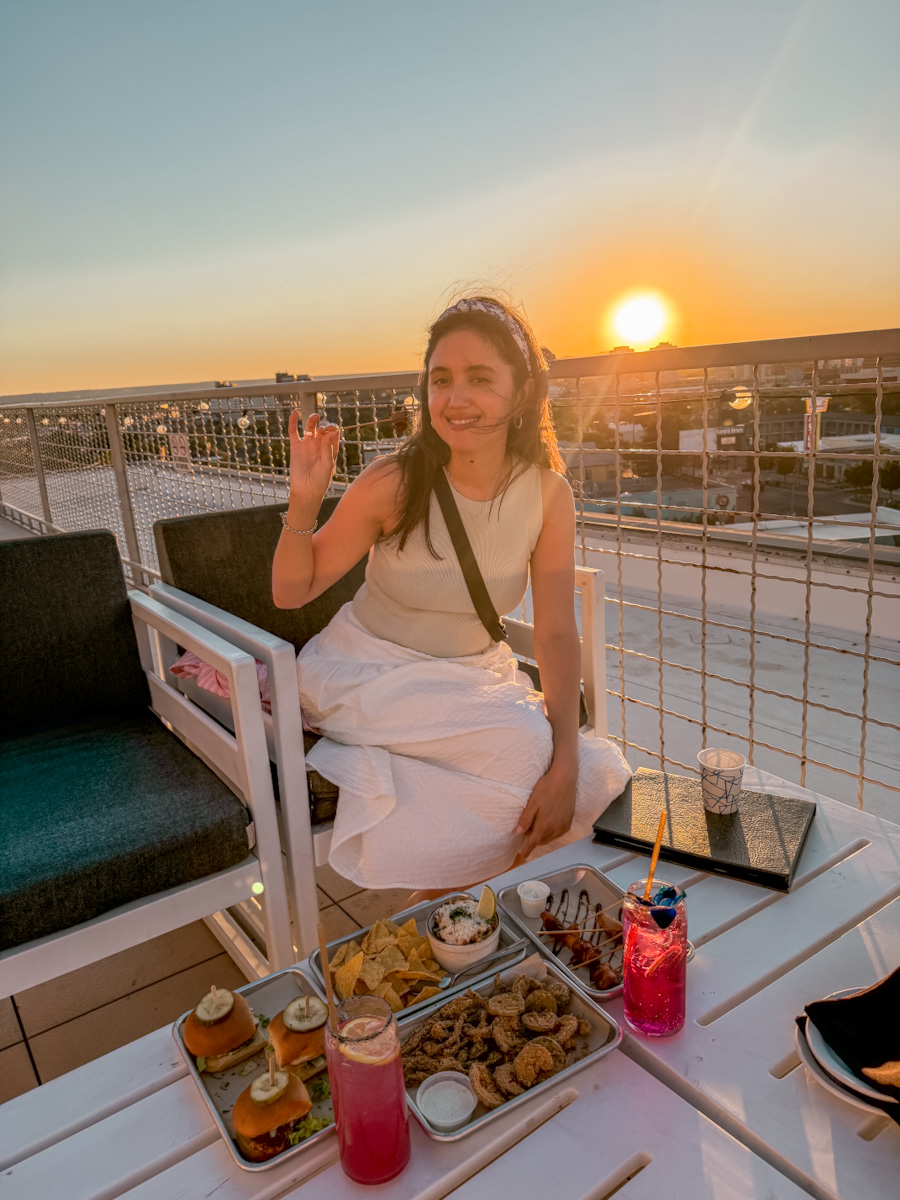
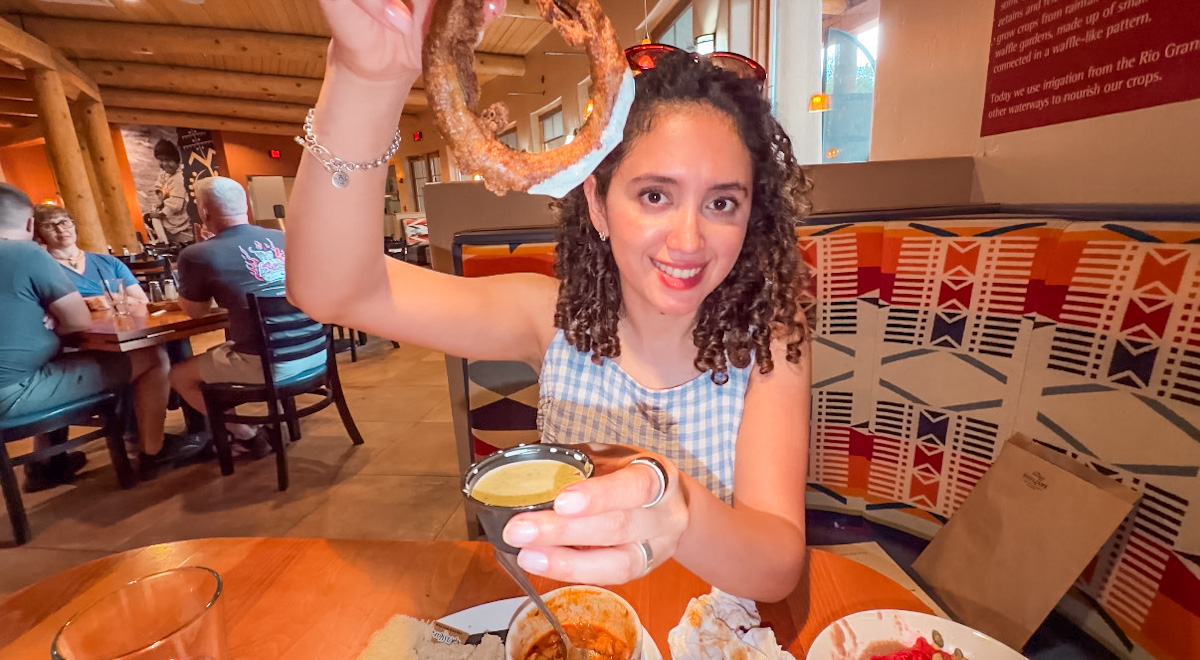
I’m going to repeat one of my biggest pieces of advice from this entire New Mexico road trip: Save your eating-out budget for Albuquerque.
We ate our way around New Mexico, and some of the best food we had in the entire state was here. Albuquerque has the traditional New Mexican food you’re probably expecting, with its blend of Indigenous and Hispanic culinary traditions and red and green chile on everything, but the food scene goes far beyond that.
International restaurants, breweries, cafés, farm-to-table spots, food halls, bakeries, and restaurants experiment with New Mexican ingredients and traditions in completely different ways.
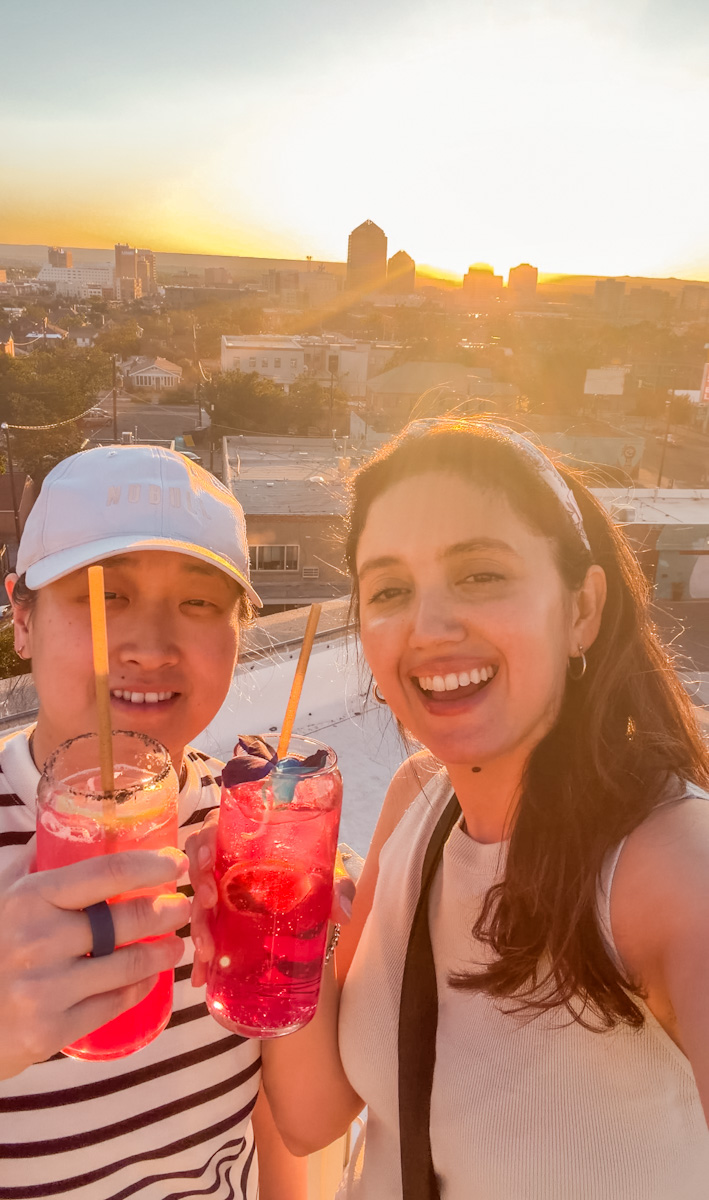
I’ve already mentioned two of my most important food stops: Indian Pueblo Kitchen, which is especially worthwhile because of its focus on Indigenous foodways and ingredients, and Sawmill Market, where we loved The Paleta Bar and Outlaw Chicken. I still think about the pancakes at Hotel Andaluz. And I heard great things about Duran Central Pharmacy. I also really like Apothecary for rooftop small bites as the sun sets. And I unfortunately ran out of time and couldn’t visit Campo a Los Poblanos, but it looked incredible.
My advice is to actually leave room in your itinerary to eat here rather than treating Albuquerque as the place where you grab something quickly between attractions.
Where to Stay in Albuquerque
There are two hotels I’d put on your radar:
Hotel Chaco: If this is your first trip to Albuquerque and you’re following an itinerary similar to mine, Hotel Chaco is gorgeous and extremely well located.
It’s in the Sawmill District, basically next door to Sawmill Market and close to Old Town and the Indian Pueblo Cultural Center. That puts several of the places I’ve recommended in this guide within a very small radius.
Hotel Parq Central: A beautiful and 1920s landmark historic hotel closer to downtown and home to the rooftop Apothecary Lounge.
How Many Days Do You Need in Albuquerque?
I would give Albuquerque three full days. Two if you’re really pressed for time. Could you see Old Town, ride the tram, and hit a museum in a day? Sure. But I think you’d completely miss the point of the city.
With two days, you can start digging into Albuquerque itself: visit the Indian Pueblo Cultural Center, explore Old Town, go hot-air ballooning, eat at Sawmill Market, ride the Sandia Peak Tramway, and choose one or two museums.
With three days, you have enough breathing room to add Acoma Pueblo, more museums, and Campo a Los Poblanos without sacrificing most of a day in Albuquerque proper.
More importantly, if Albuquerque is part of a larger New Mexico road trip, I would start here rather than end here. That’s probably the biggest thing I’d change about my own itinerary.
We traveled through much of New Mexico before digging into Albuquerque. In retrospect, places like the Indian Pueblo Cultural Center and the city’s museums would have given me useful context.
Final Thoughts: Is Albuquerque Worth Visiting?
Absolutely!!! Albuquerque might be one of the most slept-on cities I’ve visited in the United States, and I still stand by what I said at the beginning: I think it may be one of the most underrated cities in the Americas. Few cities I’ve visited bring together so many of the forces that have shaped this hemisphere in one place.
You have Pueblo nations whose communities, governments, traditions, languages, art, and cultures remain alive today. Centuries of Spanish and Mexican influence. Hispanic and Chicano culture. The westward expansion of the United States and Anglo-American culture. Route 66. The Atomic Age. And a city still shaped by all of those histories, rather than simply displaying them behind museum glass.
Then throw in the Rio Grande, the Sandia Mountains, the high desert, hot-air balloons floating over people’s houses, fantastic museums, flamenco, some of the best food I ate in New Mexico,
Come for the museums. Come for the food. Come for the Pueblo cultural institutions and surrounding communities. Come for the mountains. Come for the balloons. Come for the history.
After traveling all around New Mexico, Albuquerque ended up being one of my favorite stops, and one of the places I most want to return to. If I were planning the trip again, I’d fly into Albuquerque, give myself at least two or three full days here, and only then start driving around the rest of New Mexico.